When it comes to surgery, understanding the distinction between cosmetic and reconstructive procedures is essential. Cosmetic surgery aims to enhance appearance based on individual desires, while reconstructive surgery focuses on medical needs and restoring function. Both types carry risks, yet their motivations differ markedly. Curious about how these differences impact eligibility, goals, and even financial considerations? Let’s explore the nuances that separate these two surgical approaches.

Defining Cosmetic Surgery
Cosmetic surgery refers to a variety of procedures aimed at enhancing your appearance, whether it’s through altering facial features, body contours, or skin texture. You might consider options like tummy tucks, breast augmentations, or rhinoplasty to achieve the aesthetic you desire. These procedures can boost your confidence, helping you feel more comfortable in your own skin. Unlike reconstructive surgery, which focuses on restoring function or appearance after injury or illness, cosmetic surgery is primarily elective and driven by personal preference. Before undergoing any procedure, it is important to consult with a qualified surgeon to discuss your goals and expectations. Understanding the risks, recovery times, and potential results will empower you to make an informed decision that aligns with your desires.
Defining Reconstructive Surgery
Reconstructive surgery plays an essential role in restoring both function and appearance after trauma, illness, or congenital defects. It’s designed to correct deformities caused by various factors, such as accidents or medical conditions, and aims to improve your quality of life. This type of surgery can involve repairing damaged tissues, reconstructing body parts, or realigning structures to restore normal function. Common reasons for undergoing reconstructive surgery include breast reconstruction after mastectomy, cleft palate repair, and repairing injuries from accidents. Understanding this distinction is significant because, unlike cosmetic surgery, which focuses on enhancing appearance, reconstructive surgery targets physical issues affecting daily activities and overall well-being. Ultimately, it serves as an essential step in the healing process, both physically and emotionally.
Common Procedures in Cosmetic Surgery
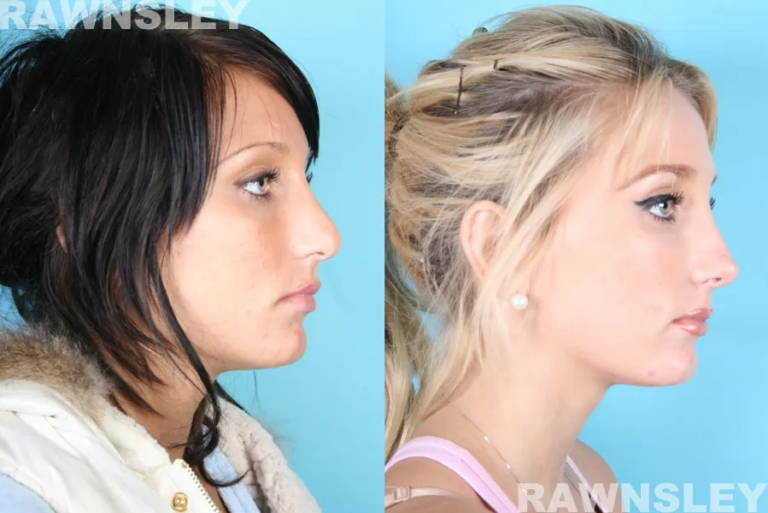
When it comes to enhancing your appearance, several popular procedures fall under the umbrella of cosmetic surgery. One of the most sought-after is liposuction, which removes stubborn fat deposits to shape your body. Another common choice is breast augmentation, allowing you to enhance size and shape using implants. Rhinoplasty, or nose surgery, can reshape your nose for better facial harmony. Facelifts help to reduce wrinkles and sagging, giving you a more youthful look. Botulinum toxin injections and dermal fillers are also popular for their ability to temporarily smooth fine lines and add volume to your face. Each of these procedures can boost your confidence and help you achieve the look you desire.
Common Procedures in Reconstructive Surgery
Many individuals seek reconstructive surgery to restore function and appearance following trauma, illness, or congenital anomalies. Common procedures include breast reconstruction after mastectomy, which aims to rebuild breast shape. Hand surgeries help improve functionality and appearance after injuries or conditions like carpal tunnel syndrome. Skin grafts are often used to treat severe burns, aiding in healing and restoring the skin's integrity. In cases of cleft lip and palate, surgeons can repair the defect, enhancing both function and aesthetics. Additionally, facial reconstruction can address deformities caused by accidents or conditions such as cancer. Each procedure is tailored to your unique needs, ensuring improvements in both form and function, allowing you to regain confidence and a better quality of life.
Goals and Objectives of Cosmetic Surgery
Cosmetic surgery aims to enhance your appearance and boost your self-confidence, with various procedures tailored to meet individual desires. You might want to reshape your nose with rhinoplasty or smooth wrinkles through facelift surgery. These procedures help you achieve a look that aligns with your self-image.
The goals of cosmetic surgery often include improving physical features you may feel insecure about, creating a younger appearance, or simply feeling more attractive in your own skin. You’ll find that many opt for enhancements that reflect personal style or current beauty trends. Ultimately, the objectives of https://cosmeticsurgeryxwt432.almoheet-travel.com/the-difference-between-cosmetic-and-reconstructive-surgery cosmetic surgery are rooted in personal expression and achieving a satisfying aesthetic, empowering you to feel more confident and content with your appearance in daily life.
Goals and Objectives of Reconstructive Surgery
While cosmetic surgery focuses on enhancing appearance, reconstructive surgery has a different set of goals aimed at restoring functionality and improving quality of life. Your needs may involve rebuilding parts of your body after trauma, surgery, or congenital conditions. Reconstructive surgery prioritizes restoring form and function, whether it's repairing a cleft palate, reconstructing a breast after mastectomy, or healing severe burn injuries. The objective isn't just aesthetic; it’s about enabling you to perform daily activities and enhancing self-esteem. This type of surgery often requires teamwork from various specialists to achieve the best outcomes for you. Overall, reconstructive surgery aims to help you regain confidence, improve physical capabilities, and support emotional well-being through thorough restoration.
Eligibility Criteria for Cosmetic Surgery
After understanding the goals of reconstructive surgery, it's important to evaluate the eligibility criteria for cosmetic procedures. To take into account cosmetic surgery, you should be at least 18 years old, as this guarantees you're making informed decisions about your body. A stable mental state is vital; you need to have realistic expectations about the results. It's also essential to be in good physical health, as certain medical conditions can complicate surgery. Additionally, if you smoke, it’s recommended to quit at least several weeks prior to your procedure, as smoking can hinder healing. Finally, having a support system and understanding the recovery process will help guarantee a smoother shift after your cosmetic surgery.
Eligibility Criteria for Reconstructive Surgery
To qualify for reconstructive surgery, you must typically have a medical need, such as trauma, congenital anomalies, or health conditions that affect your appearance and function. Your eligibility often depends on the severity of your condition and how it impacts your quality of life. Surgeons will assess your medical history and current health to determine if surgery is appropriate for you. They’ll also consider the potential for improvement and whether alternative treatments might be more suitable. It's essential that you have realistic expectations about the outcome and understand the risks involved in the procedure. With clear medical justification and a commitment to the recovery process, you’ll be better positioned for a successful reconstructive surgery journey.
Insurance Coverage and Financial Considerations
Maneuvering insurance coverage and financial considerations for reconstructive surgery can be complicated, especially since policies vary widely. You’ll want to start by checking your insurance provider’s specifics regarding coverage for reconstructive procedures. Many insurers cover these surgeries if they’re deemed medically necessary, like repairs after trauma or congenital conditions.
It’s essential to gather the required documentation, including physician recommendations and pre-authorization forms. Be aware that some plans might include copays or deductibles, so anticipate those costs. If coverage is denied, don’t hesitate to appeal the decision. In some cases, you may explore financing options or payment plans offered by surgeons’ offices to manage out-of-pocket expenses. Always discuss your financial concerns with your healthcare provider upfront to avoid surprises.
Risks and Potential Complications in Both Surgeries
While both cosmetic and reconstructive surgeries can enhance your appearance or restore function, they carry inherent risks and potential complications. You might face issues such as infection, scarring, and anesthesia reactions regardless of the procedure type. Cosmetic surgeries can lead to dissatisfaction if results don't meet your expectations. In reconstructive surgery, complications like graft failure or insufficient healing are possible. Blood clots can occur in both procedures, posing serious risks. It’s essential to discuss your medical history and any concerns with your surgeon beforehand. Understanding the potential outcomes will help you make informed decisions and set realistic expectations. Ultimately, you should weigh the benefits against these risks to determine whether surgery is the right choice for you.